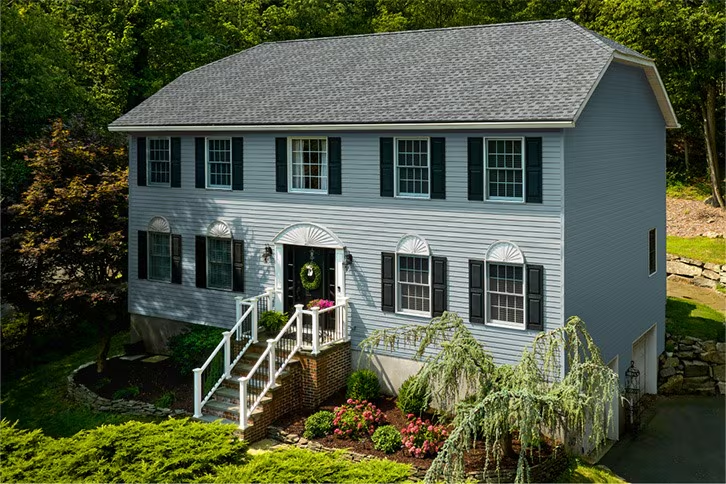
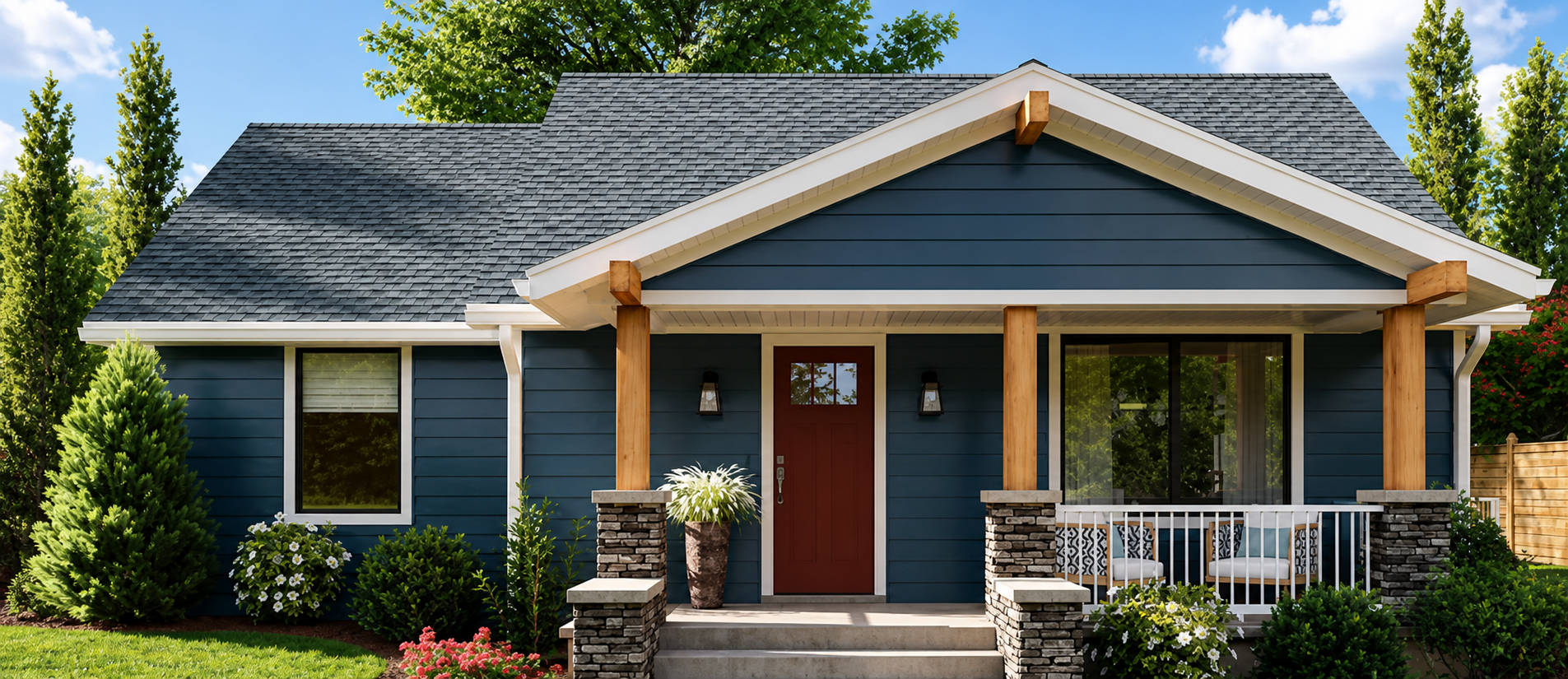
Energy Home Improvements’ roofing combines lasting protection, dimensional beauty, and dependable performance for your home. From architectural asphalt shingles with Class 3 and Class 4 impact-resistant options, each system is built to stand up to wind, rain, sun, and changing weather. Our complete roofing systems use high-performance shingles, underlayment, leak barriers, ridge caps, and attic ventilation to help defend your home against leaks and moisture. Available in a wide range of colors and backed by strong 50 year manufacturer warranties, a new roof is more than an exterior upgrade—it’s a smart investment in comfort, value, and curb appeal.
Made in the USA with domestic and imported materials.
Includes a Lifetime Limited Warranty.
Eligible for WindProven™ Limited Wind Warranty with the required qualifying GAF accessories.
UltraMat™ high-performance fiberglass mat and patented Dual Shadow Line add strength and dimension.
30-year StainGuard Plus PRO™ Algae Protection Limited Warranty on qualifying products.
Six proprietary color blends create a deeper, wood-shake-inspired look.
UL 2218 Class 4 impact-resistance rating on qualifying UltraMat™ packages.
Review our roofing warranty guide to understand coverage for manufacturing defects, algae discoloration and qualifying wind protection.
Roof Replacement FAQ
Frequently asked questions about Energy Home Improvement's roof replacement process.
How do I know if I need a roof repair or a full roof replacement?
Your roof may be ready for replacement when shingles are curling, cracking, missing, or losing granules, or when leaks and water stains keep returning. A small, isolated problem may only need a repair, while widespread damage or an aging roof often makes replacement the smarter long-term choice. A professional inspection reveals the condition of the shingles, decking, flashing, and ventilation so you can choose the right solution with confidence.
How much does a roof replacement cost?
Every roof is different, so roof replacement cost depends on the roof’s size, pitch, materials, accessibility, ventilation, flashing, labor, and the condition of the decking beneath the shingles. A clear, itemized estimate should show exactly what is included and explain how unexpected wood replacement will be handled. That gives you an accurate plan based on your home instead of a generic online price that may leave out important parts of the project.
What is included in a complete roof replacement?
A complete roof replacement goes far beyond installing new shingles. It typically includes protecting your property, removing and disposing of the old roofing, inspecting the roof deck, and installing underlayment, leak barriers, starter strips, shingles, flashing, ventilation, and ridge caps. Cleanup and a final walkthrough complete the process. Your proposal should clearly explain the materials, warranty options, and how any hidden decking damage will be handled before additional work begins.
How long does it take to replace a roof?
An asphalt shingle roof on an average-sized home can often be replaced in one or two days, while larger or more complex roofs may take several days. Weather, steep slopes, multiple roofing layers, and damaged decking can add time to the project. Roof replacement creates noise and vibration, but a clear schedule and a little preparation make the process easier. Your Energy Guide will explain what to expect so you can plan confidently before installation begins.
How long do asphalt shingle roofs last?
A well-installed asphalt shingle roof can provide decades of dependable protection. Three-tab shingles commonly last about 20 to 30 years, while architectural shingles can potentially last 30 to 50 years. Climate, installation quality, attic ventilation, maintenance, and storm exposure all affect the actual lifespan. Regular inspections and proper ventilation help your roof perform at its best, while curling, cracking, granule loss, and recurring leaks can signal that replacement is approaching.
What are the best roof shingles for my home?
The right roof shingles balance protection, beauty, and value for your home. Architectural shingles are a popular choice because they deliver dimensional curb appeal along with strong wind, impact, and algae-protection options. Qualifying GAF Timberline HDZ® shingles offer Class 3 impact resistance, while qualifying Timberline UHDZ® with UltraMat™ shingles offer Class 4 impact resistance and a more dramatic profile. Your Energy Guide can help you compare colors, performance, warranties, and price to find the right fit.
What is the difference between architectural shingles and three-tab shingles?
Three-tab shingles use a single layer of asphalt material, giving the roof a flatter, more uniform appearance at a more economical price. Architectural shingles use multiple laminated layers to create greater depth, stronger visual definition, and a wood-shake-inspired look. They also offer a wider range of colors and performance features. For homeowners who want lasting protection and elevated curb appeal, architectural shingles are often the stronger long-term choice.
Are Class 3 or Class 4 impact-resistant shingles worth it?
Impact-resistant shingles are a smart option for homeowners who want stronger, tested performance in areas where hail and severe weather are common. UL 2218 Class 3 and Class 4 ratings come from controlled impact testing, with Class 4 being the highest classification. These shingles are not hail-proof, but they provide an added level of protection compared with unrated products. Some insurance companies may offer discounts, so check with your carrier before choosing your roof.
Will homeowners insurance cover a roof replacement?
Homeowners insurance may cover a roof replacement when the damage comes from a sudden event included in your policy, such as wind or hail. Normal aging, wear and tear, and neglected maintenance are generally not covered. Your payment may also depend on whether you have replacement-cost or actual-cash-value coverage. An experienced roofing contractor can document the roof’s condition, but your insurance company makes the final coverage decision, so review your policy and speak directly with your adjuster.
Can new shingles be installed over old shingles?
New shingles can sometimes be installed over one existing layer when local codes and manufacturer instructions allow it, the old roof lies flat, and the decking is sound. A complete tear-off, however, gives your contractor the opportunity to inspect the decking, flashing, and hidden problem areas before the new system is installed. It also creates a cleaner foundation and a more consistent finished appearance, making tear-off replacement the stronger long-term approach for many homes.