Siding Contractors in Salt Lake County: A Homeowner’s Hiring Guide
Updated November 10, 2026
To choose a siding contractor in Salt Lake County, verify the Utah license, ask for current insurance documentation, and compare written bids for the same siding system and installation scope. Ask who handles removal, wall inspection, water-resistive barrier and flashing, damaged sheathing, trim, cleanup and any required permits. Review recent work and read the product and workmanship warranty terms before signing. The checklist below helps you compare those details without choosing on the total price alone.
Key takeaways:
- Verify the contractor’s Utah license and request current insurance documentation.
- Compare written bids for the same material, measured wall area and complete installed scope.
- Confirm how concealed damage, payment schedules and changes will be documented and approved.
- Review product and workmanship coverage separately, using the written terms for your project.
- Choose colors from samples of the exact product, alongside the roof, masonry and trim you are keeping.
Inspect the Existing Siding and Wall Before Choosing a Replacement
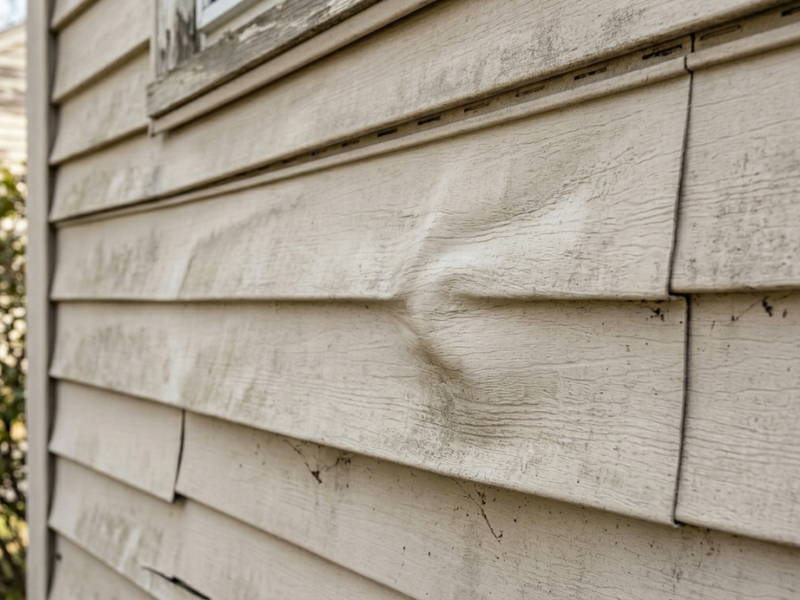
Cracked or loose panels, recurring leaks, soft areas around openings and visible deterioration are reasons to inspect the exterior. The assessment should distinguish a surface problem from damage to flashing, the water-resistive barrier or sheathing behind the siding. The age of a home or its neighborhood alone does not establish that all of its siding needs replacement.
Discuss sun exposure, wind-driven rain, drainage and the condition of the wall with your contractor. Ask how the proposed product and installation details address those conditions. Repair may be appropriate for isolated damage; recurring moisture problems or widespread deterioration may require a broader scope.
What Does Siding Replacement Cost in Salt Lake County?
For dated Utah cost context, use our siding replacement cost and material guide. Your written quote should identify measured wall area, the selected cladding and trim, removal and disposal, water-management work, access and any repair allowances. Floor area is not the same as siding wall area. Compare bids using the same scope, and confirm how concealed damage and changes will be approved.
Which Siding Materials Hold Up in Utah’s Climate?
Compare the exact siding system, maintenance instructions, finish choices, installation details and written coverage. A material name alone does not establish the best option for every home. Our Utah siding material comparison provides additional context.
Fiber cement Siding
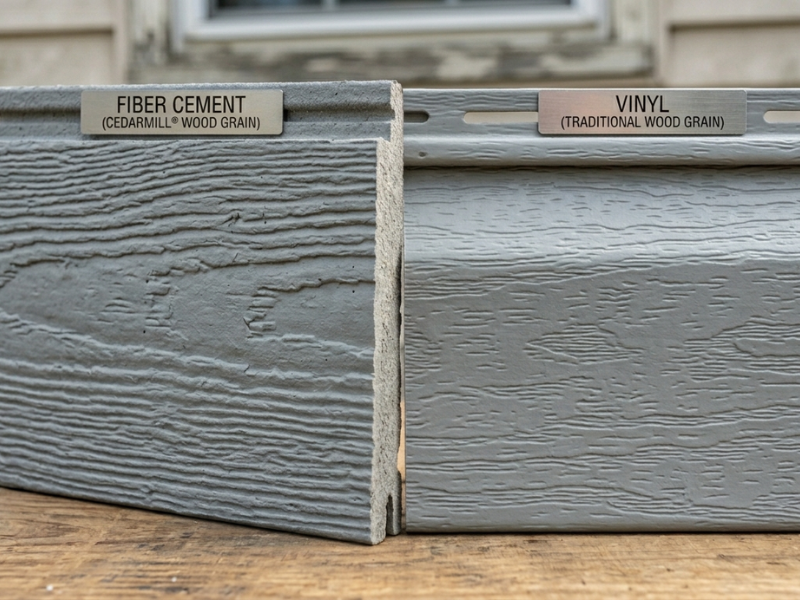
Compare the available profiles and finishes with the installation, clearance, flashing and care requirements for the selected product. Ask how penetrations, transitions and trim will be handled. Use current manufacturer documents for product-specific performance and warranty claims.
Insulated vinyl
Ask which product is included and how the backing, attachment, trim and wall assembly will be installed. Compare the proposed system with standard vinyl using the same measured area and scope. Do not assume the siding alone guarantees a particular energy saving.
Standard vinyl
Compare panel profile, thickness, finish options, attachment details and care requirements. Ask how the installer will allow for movement and handle corners, openings and transitions. Verify color availability and written warranty terms for the actual product.
Engineered wood
Review the selected product’s requirements for clearances, cut edges, flashing, finish care and ongoing maintenance. Confirm how drainage and existing wall conditions will be addressed before choosing it.
Ascend® Composite Cladding
ASCEND composite cladding is one option EHI offers. Compare the current product’s profiles, colors, installation requirements and written warranty with your other proposals. Ask about the exact configuration and scope rather than relying on a universal wind, hail, insulation or lifetime-coverage claim.
How to Vet a Siding Contractor in Salt Lake County
License: Ask for the legal business name and Utah license number, then check the official Utah DOPL license lookup. Confirm that the record matches the contractor you are considering.
Insurance: Request current insurance documentation for the business and the proposed work. Ask how liability coverage, workers’ compensation or any applicable exemption applies to the people who will work on your home; do not rely on a verbal assurance.
Crew responsibility: Ask who will install the siding, who supervises the crew and who handles questions or corrections. Whether employees or subcontractors are used, the proposal should make responsibility clear.
Warranty: Review the manufacturer’s product warranty and the contractor’s workmanship terms separately. Confirm duration, exclusions, transfer conditions, maintenance requirements and the claim process in writing. Do not assume every product or installation has the same coverage.
Reviews and references: Look for relevant completed siding work and patterns in feedback about communication, cleanup and resolving problems. EHI’s customer reviews and testimonials provide additional company context.
What to Compare in a Written Siding Estimate
Ask each contractor to price the same wall areas, material, profile, color and trim. Compare what is included in removal and disposal, wall inspection, water-resistive barrier, flashing around openings and penetrations, starter/trim pieces and cleanup. Agree on how concealed sheathing damage will be photographed, priced and approved through a written change order. Confirm who coordinates required permits, who supervises installation, and what the workmanship warranty covers. A lower total is useful only when the scope and exclusions are clear.
- Exact siding brand, profile, color, wall area and trim.
- Removal, disposal, wall inspection and any preparation or repair allowance.
- Water-resistive barrier, flashing, opening and penetration details.
- Written approval and pricing process for concealed damage and changes.
- Crew supervision, permit responsibility, cleanup and final walkthrough.
- Payment schedule, exclusions, product warranty and workmanship terms.
Utah DOPL provides an optional residential construction agreement and change-order resources that can help you identify details to discuss. Review the agreement for your specific project before signing.
Take time to resolve a vague scope, an unexplained price difference, pressure to sign immediately or missing written terms. A particular deposit percentage alone does not prove that a contractor is reliable or unreliable.
How to Evaluate Energy Home Improvements for Your Siding Project
Energy Home Improvements provides siding replacement for Salt Lake County homeowners through its South Jordan team. Start with the same checks you would use for any contractor: confirm the business and license, review the proposed installation scope, see relevant completed work and read the warranty terms.
Our company’s BBB profile lists Energy Home Improvements as an Accredited Business with an A+ rating. For siding-specific product guidance, our awards and recognition page identifies EHI as a James Hardie™ ALLIANCE Select member. Ask your Energy Guide which siding systems, colors and installation details fit your home, and have the agreed scope recorded in your written proposal.
Ask for the legal licensee and number, current insurance information, and the written product and workmanship terms for your project. Our siding warranty information provides manufacturer-coverage context; confirm the actual coverage and exclusions in your proposal.
We serve Salt Lake County homeowners in Salt Lake City, West Valley City, Sandy, Draper, Murray, Midvale, South Salt Lake, Herriman, Riverton, Taylorsville, Millcreek, West Jordan and South Jordan. Confirm the installation address and project scope with your Energy Guide.
A Documented Utah Siding Project
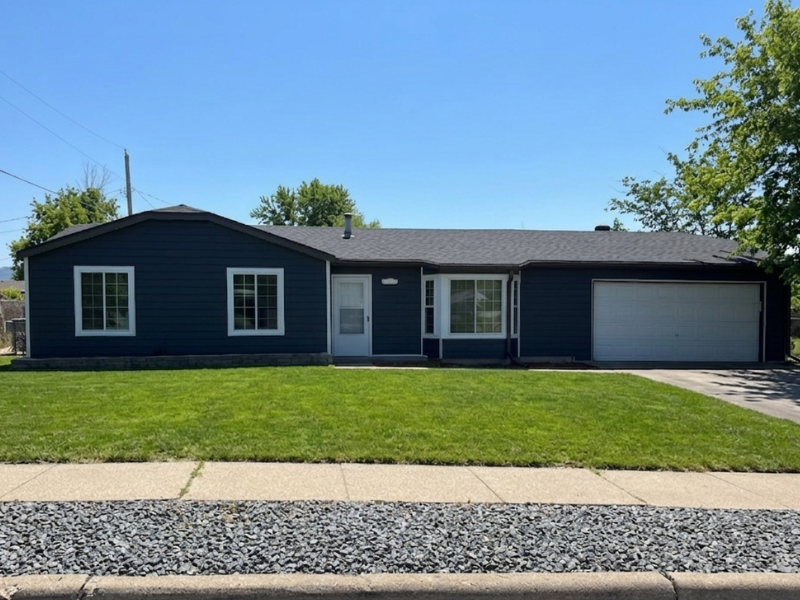
See a documented Utah siding replacement: our Roy ASCEND composite cladding project records full vinyl tear-off, 22 squares of ASCEND cladding in two profiles, and coordinated gutters and downspouts. Roy is in Weber County; this example shows the documented installation scope and is not presented as a Salt Lake County project.
Frequently Asked Questions About Siding Contractors in Salt Lake County
How much does siding replacement cost in Salt Lake County?
Use EHI’s dated Utah siding cost guide for planning context, then compare current written quotes for the same wall area, material and installation scope. Removal, access, trim, water-management work and concealed repairs can change the total. Floor area is not the same as siding wall area.
What is the best siding material for Utah homes?
There is no single best material for every home. Compare the exact product, appearance, finish care, installation requirements, wall conditions and written coverage. Ask your contractor to explain the tradeoffs for your home and budget.
How do I verify a siding contractor’s license in Utah?
Ask for the legal business name and Utah license number, then use the official Utah DOPL license lookup. Confirm that the record matches the contractor you are considering and review its current status before signing.
How long does siding replacement take?
The schedule depends on wall area, material, access, crew availability, concealed repairs and weather. Confirm the expected timeline after measurement and scope review, including how the exposed wall will be protected during the work.
Do I need a permit for siding replacement in Salt Lake City?
Permit requirements depend on the municipality and project scope. Confirm the requirements with the relevant building department before work begins, and state who will obtain any required permit in the written agreement.
What happens if the sheathing under my old siding is damaged?
Ask the contractor to photograph and explain the damage, identify the repair scope and obtain written approval for any additional work. Agree on how repair pricing and change orders will be handled before the new siding covers the wall.
How should I choose siding colors for a Salt Lake Valley home?
Compare physical samples from the exact siding product with your roof, brick or stone, trim and window frames. View them on more than one side of the house in morning and afternoon light; a screen image can look different from the installed finish. Check current manufacturer color availability, finish care and warranty terms, along with any applicable HOA requirements. Start with the fixed colors you are keeping, then narrow the siding choices instead of selecting a color in isolation.
How do I know if my siding needs replacement or just repair?
Have the damage and underlying wall assessed. Isolated panel damage may be repairable, while recurring moisture entry, widespread deterioration or damaged sheathing may call for a broader replacement scope. Compare the cause and complete scope rather than using a fixed age or percentage alone.
Ready to Replace Your Siding in Salt Lake County?
Schedule a free in-home estimate to review your siding, discuss the available products and compare the proposed installation scope. Your Energy Guide can help you identify the details to settle in writing before you decide.
Schedule Your Free In-Home Siding Estimate